• Home
  • About
  • Contact
  • Privacy Policy
   
  • Home
  • About
  • Contact
  • Privacy Policy

Home

​A mini cooler, often referred to as a portable air conditioner or personal air cooler, is a compact cooling device designed to provide localized cooling in smaller spaces. Unlike traditional air conditioners that are larger and require extensive installation, mini coolers are portable, lightweight, and more energy-efficient, ideal for individual or small-area use.
Picture
Types of Mini Coolers:
  • Evaporative Coolers (Swamp Coolers): These work by evaporating water to cool the air. They are best used in dry climates where humidity is low. The process involves water being absorbed by a cooling pad, and as air is drawn through the pad, it evaporates the water, cooling the air.
  • Portable Air Conditioners: These mini coolers operate similarly to standard air conditioners but are smaller and more portable. They cool the air by using a refrigerant. Many require venting through a window or another outlet to expel heat.

​Key Features:
  • Size: Generally, mini coolers are designed for personal use, meaning they are small and lightweight enough to be moved easily from one room to another.
  • Water Tank: Most mini coolers have a built-in water tank that needs to be refilled periodically. The size of the tank usually determines how long the cooler can operate before requiring a refill.
  • Cooling Pads: Evaporative coolers use cooling pads that need regular cleaning or replacement to maintain efficiency.
  • Fan Speed Settings: Many mini coolers come with adjustable fan speeds, which help to control the intensity of the airflow and cooling effect.
  • Portability: A handle or wheels are often included to make it easier to move the cooler around.

How They Work:
  • Evaporative Coolers: When air passes through the wet cooling pads, the moisture evaporates, absorbing heat from the air, which lowers the air temperature.
  • Portable ACs: These work like traditional air conditioning units but are small and freestanding. They use a refrigerant to absorb heat from the air, which is then expelled through an exhaust hose.
Benefits:
  • Energy Efficiency: Mini coolers, especially evaporative coolers, consume significantly less power compared to full-sized air conditioners.
  • Portable and Convenient: These coolers are designed to be easy to move and require no installation, making them ideal for temporary cooling needs.
  • Environmentally Friendly: Because evaporative coolers don’t use refrigerants, they are more eco-friendly than traditional air conditioners.
  • Cost-Effective: They tend to be more affordable both in terms of initial cost and operational costs compared to larger air conditioning units.
Picture
Picture
Limitations:
  • Effectiveness in Humid Climates: Evaporative coolers are less effective in high-humidity areas because they rely on moisture evaporation to cool the air.
  • Cooling Area: These coolers are effective only for small spaces or personal use (e.g., beside a desk or bed). They won’t cool down large rooms or entire houses.
  • Regular Maintenance: The water tank needs to be refilled, and the cooling pads may need cleaning or replacement periodically.
Ideal Uses:
  • Small Rooms: Bedrooms, offices, or dorm rooms where you need a personal cooling solution.
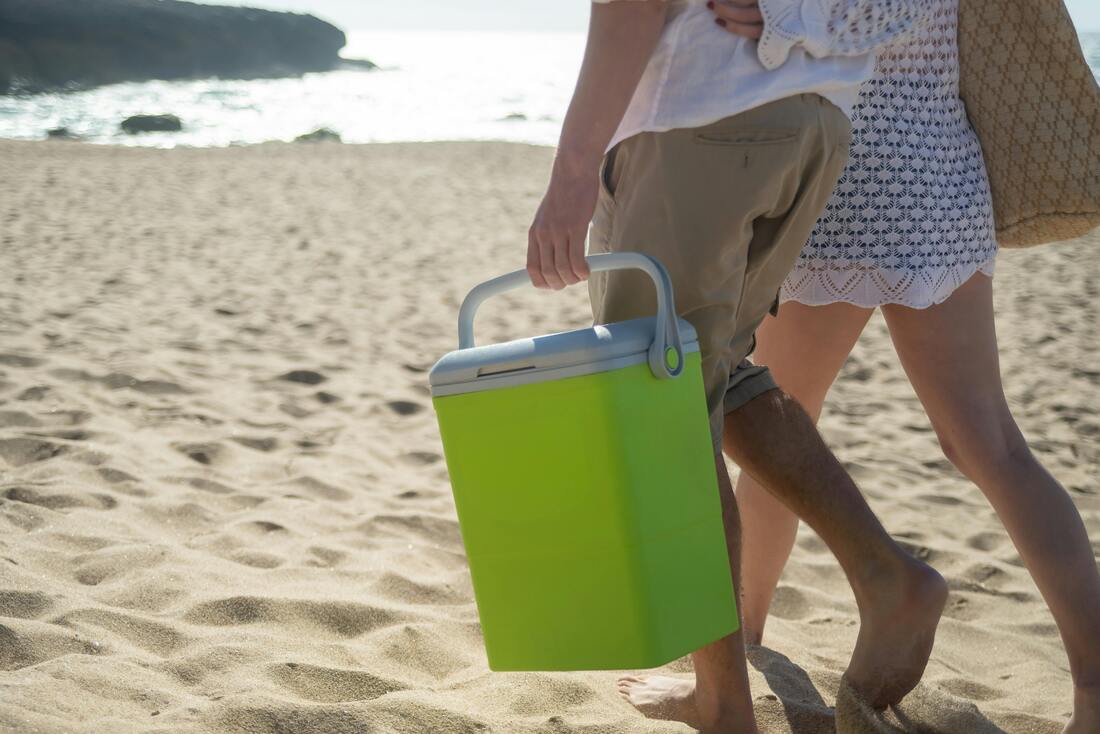
  • Outdoor Activities: If you’re spending time on a patio, in a garage, or during camping trips, mini coolers provide quick relief from heat.
  • Low Power Consumption: For areas or situations where you want to minimize energy use, mini coolers are a great choice compared to traditional AC units.
Picture
Other Considerations:
  • Noise Level: Check the noise level of the mini cooler, as some models can be louder than others, which may affect comfort, especially if used in a bedroom.
  • Water Usage: Evaporative coolers consume water to cool the air, so be mindful of local water availability and cost if you're in a dry area.
  • Ventilation for Portable ACs: If you opt for a portable air conditioner, you will need a way to vent hot air out of the room (usually through a window) or have proper ventilation, which can affect where you place the unit.


​Maintenance:
  • Cleaning the Water Tank: Regularly clean the water tank and cooling pads to prevent mold or bacteria growth.
  • Changing the Filters: Some mini coolers come with filters that need to be changed periodically for optimal performance.
  • Cleaning the Fan: Dust and dirt can accumulate in the fan, so it’s essential to clean it regularly to keep the cooler running efficiently.

Environmental Impact:
  • Lower Carbon Footprint: Due to their lower energy consumption and absence of refrigerants (in the case of evaporative coolers), mini coolers are more environmentally friendly than traditional air conditioning systems.
  • Home
  • About
  • Contact
  • Privacy Policy